

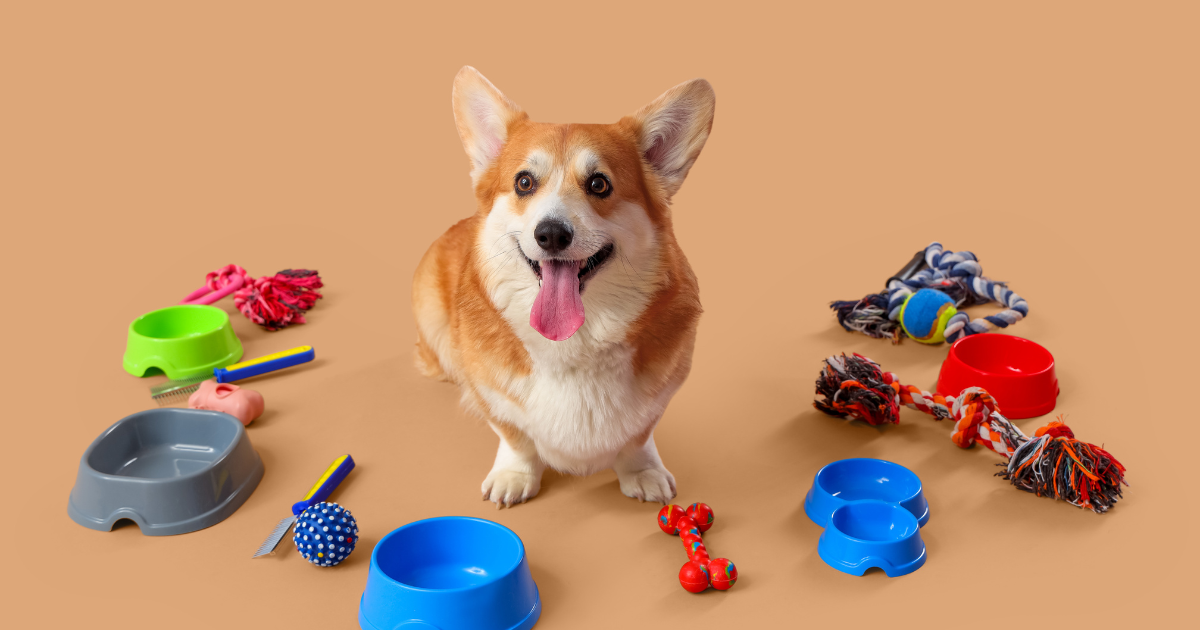
When the weather keeps you inside, your dog’s energy still needs an outlet. Without stimulation, boredom can quickly turn into chewed shoes, barking, or stress. The good news is there are plenty of ways to keep your dog entertained indoors. With the right mix of games, toys, and interaction, you can create a stimulating environment that helps your pup thrive, even on days when outdoor play is not possible.
Why Indoor Enrichment Matters
Dogs are naturally active and curious. Even if your pup gets daily walks, mental stimulation is just as important as exercise. Indoor enrichment helps:
- Reduce anxiety and destructive behavior
- Strengthen the bond between you and your dog
- Improve problem solving skills
- Burn off extra energy when outdoor play is limited
- Provide comfort for dogs recovering from surgery or injury
Think of it this way: if a dog is physically tired but mentally restless, they can still act out. Mental games challenge them in new ways and create balance.
1. Interactive Toys and Puzzle Games
Dogs thrive when their brains are challenged. Puzzle toys encourage problem solving and turn snack time into a fun activity. These products usually hide treats or kibble inside compartments, making your dog work for their reward. These are amongst our favorite ways we keep our labradoodle mentally stimulated when the weather doesn’t allow us to spend time outdoors.
We’ve included some links to some of these items for your convenience.
- Snuffle mats where dogs use their noses to search for hidden kibble
- Treat dispensing balls that roll unpredictably and keep your dog engaged
- Multi level puzzle feeders with sliding panels or compartments that encourage problem solving. We love these puzzles, and so does our wagaroo. We also love teaming up with fellow pet parents to share toys. Think of it as a little “toy swap club” for our pups — once our dogs get used to a toy, we rotate it and everyone’s furry friend gets something fresh to enjoy.
- BONUS – Lay a towel on the ground and splash some of your pups favorite treats on it, then roll it up and twist it. Your doggo will bask in the joys of unrolling that towel to reveal their delicious treatos.
These activities mimic natural foraging behaviors, which makes them especially satisfying. A ten-minute session with a puzzle toy can sometimes tire your dog out more than a thirty-minute walk.
2. Chew Time with Long Lasting Treats
For dogs that love to chew, the right outlets are essential. Chewing helps clean teeth, reduces anxiety, and keeps jaws strong. Instead of letting your dog target shoes or furniture, offer safe and durable chews.
- Bully sticks made from natural beef muscle – We don’t love these as we had an incident once where our dog started choking on it as it started to go down his throught intact. Lucky we were supervising the session.
- Antler chews which are long lasting and rich in minerals. Again, we try and protect our dogs teeth. These can be especially hard on the teeth, but will absolutely give your dog something to enjoy.
- Dental chews designed to promote oral health. We try to stay away from those we believe to be filled with junk. We linked you to the ones we prefer to use.
Always supervise chewing sessions and choose a chew that matches your dog’s size and chewing style. Small dogs may do well with softer chews, while large breeds need tougher options.
3. Training Games and Obedience Practice
Rainy days and cold weather make the perfect backdrop for training time. Dogs love to learn, and most respond well to short, rewarding sessions. Practicing obedience or teaching new tricks provides structure while reinforcing your bond.
- Play hide and seek by stashing a favorite toy and encouraging your dog to find it
- Work on essential commands like sit, stay, and leave it to sharpen manners.
- Introduce fun tricks such as spin, roll over, or high five to keep things light. We love to teach our doggo new tricks. Our fave’s are – Touch, crawl, selfie (he comes behind you and puts his head on your shoulder for a pic). We also taught him to bark when we ask him if he loves us.
Training is more effective with the right tools. A simple clicker helps mark behaviors quickly, and a pouch filled with small treats keeps sessions smooth. Ten minutes of focused practice can leave your dog both mentally and physically tired.
4. DIY Obstacle Courses
You do not need expensive gear to create a fun agility course inside your home. Everyday furniture can become an adventure course for your pup.
- A line of dining chairs for weaving
- Cushions or pillows as gentle jumps
- Blankets draped over furniture to create tunnels
For pet owners who want to take things further, indoor agility kits with tunnels, hurdles, and platforms are available. Setting up an obstacle course gives your dog a chance to burn energy and builds confidence when they master each challenge.
5. Calming Activities for Relaxation
Not every dog thrives on constant high energy play. Some dogs benefit from soothing, repetitive activities that help them unwind. Calming enrichment is especially useful for puppies, seniors, or anxious dogs.
- Lick mats spread with peanut butter or plain yogurt
- Slow feeder bowls that encourage dogs to eat at a slower pace
- Chews with calming ingredients such as chamomile, where allowed
These activities provide a sense of comfort and relaxation. Many owners notice their dogs are calmer and more content after a licking or slow feeding session.
6. Indoor Games for Bonding
Beyond structured toys and training, there are simple interactive games that require nothing more than you and your dog.
- Tug of war using a rope toy for exercise and bonding
- Fetch in the hallway with a soft ball that will not damage walls
- Which hand game where you hide a treat in one hand and let your dog guess
These games keep your dog busy and also strengthen trust and communication.
Frequently Asked Questions
How long should I keep my dog engaged indoors each day
Most dogs benefit from at least two or three short play or training sessions daily, in addition to walks.
Can indoor play replace outdoor walks
No. Dogs still need outdoor time for exercise, fresh air, and bathroom breaks. Indoor activities are a supplement, not a replacement.
What if my dog is not interested in toys
Experiment with different textures, flavors, and activities. Some dogs prefer food puzzles, while others love tug games or training sessions. Rotate options to keep things fresh.
Final Thoughts
Keeping your dog busy indoors does not have to be complicated. A combination of puzzle toys, chew treats, training games, obstacle courses, and calming activities can turn any day inside into a rewarding experience. By mixing things up, you will prevent boredom, strengthen your bond, and support your dog’s mental and physical well being.
Next time the weather keeps you home, try a few of these ideas. Your dog will be happier, healthier, and much less likely to get into mischief.